I worry I can't teach my daughters how hard life can be in Colombia
I finished spreading the organic, sugar-free, sea salt, sunflower butter on my daughter's gluten-free toast. It is up to code for a nut-free learning environment. I add a wild-berry jam, which is also organic, and is sweetened with white grape juice and pomegranate juice and apple pectin.
I cut the sandwich into triangles, and of course, no crust – because why would I want to upset my kid?
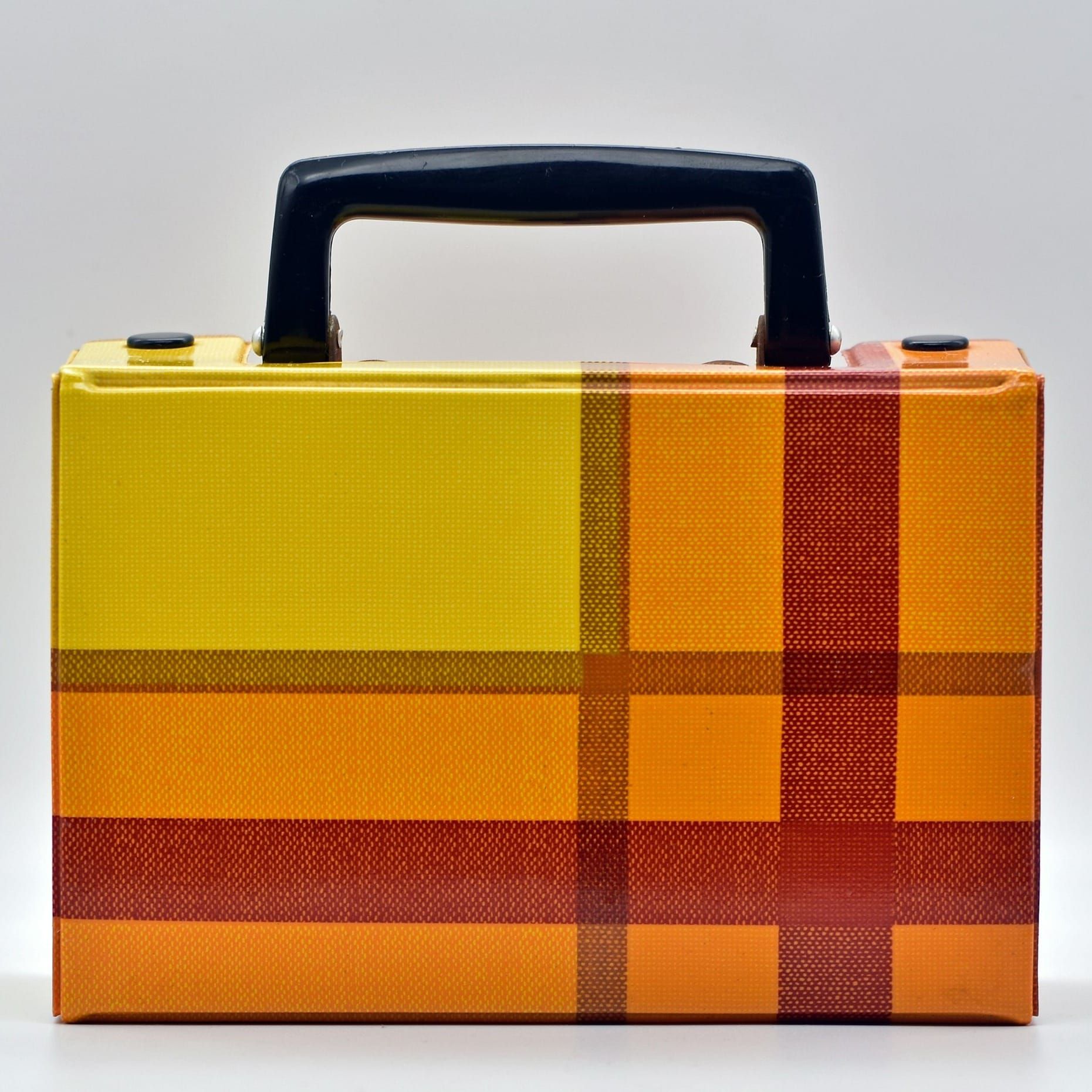
Then I move on to filling the rest of my daughter's lunch box.
I start with a roasted sweet corn thin cracker, all-organic, and used for scooping guacamole, hummus, and caviar.
I add non-GMO organic popcorn, flavored to taste like cheese but remain dairy-free. I add lightly baked green peas, and I finish with dairy-free, gluten-free pretzels flavored with nutritional yeast.
As I put the sandwich into a wax paper bag, I realize my mom never put together a lunchbox for me. So, I tell my wife, "I don't think I ever took a lunchbox to school." And she asks me, "Were you not expected to eat at school?"
And then I thought, "Oh my god. I wasn't. I wasn't expected to eat at school."
Of course, the truth is still less than perfect, but a bit more nuanced than that.
My school in Barranquilla, Colombia, was one of the last ones to break for lunch and come back for the afternoon session. My classmates didn't get snacks either. They got an allowance. So they could buy their snack at the kiosk.
When the bell rang for recess, all the boys ran to the kiosk to form a line and buy sodas and savory baked goods. I never got an allowance. My mom was working hard to make ends meet, but when the electricity was three months behind, my snacks were not a priority.
So I spent most of my recess being a buitre, a vulture.
To be one, you place yourself close to the kiosk, and you collect small percentages of the other kids' food, kids whose parents had enough to give them an allowance. You begged for food until those kids relented.
And they always relented.
The power dynamic was interesting. Who had more resilience and willpower? The little namby-pambies whose parents had enough to pamper them with an allowance? Or the kid who, at 10 in the morning, was always hungry, and had no other option but to face his fear of rejection over and over and over again?
I learned at recess that if I wanted to put food in my belly, I needed to get in the middle of the action, ask difficult questions, face rejection, and, every now and then, succeed. By the time I was done collecting morsels from those who gave them, I probably had a bigger meal than those who bought them from the kiosk.
My wife tells me that it doesn't matter who you are or what you have. In California, you are always guaranteed a hot lunch. These are the kind of safety nets that make newly arrived immigrants struggle to understand why Americans don't think their country is amazing! It's a safety net that will never be available in Colombia.
If my mom didn't have money for snacks, I intermittently, involuntarily fasted for a few hours. Unless I begged for food from my classmates.
When I think about what my daughters get, and I compare it to my past and my life in Colombia, I'm tempted to say that my life was rough, but the truth is, I have very little concept of it.
Life just was.
Sure, we struggled.
But we were fortunate to have what we had. We had a roof over our heads, we had food at home, and we were clothed. Yeah, the soles of my shoes were often not glued to the rest of my shoe, and my socks usually had holes in them, but we were clothed.
Millions of Colombians didn't even have that.
For a while, my biggest concern was that I wouldn't be able to teach my daughters the gift of knowing how hard life can be in Colombia. Now it's not so much that as me forgetting how lucky I am to be here.
So the challenge remains.
My daughter still has to eat in a code-compliant way, and I'm going to give her these ridiculously fancy snacks. But maybe, as I hand her the lunch box, I can tell her stories of how life used to be, when I was her age in Barranquilla.
So maybe she will never take for granted how good she has it here.
And I won't either.